Table of Contents
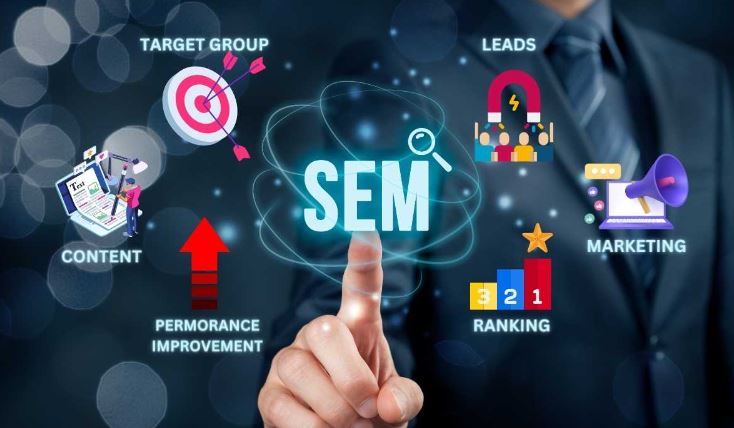
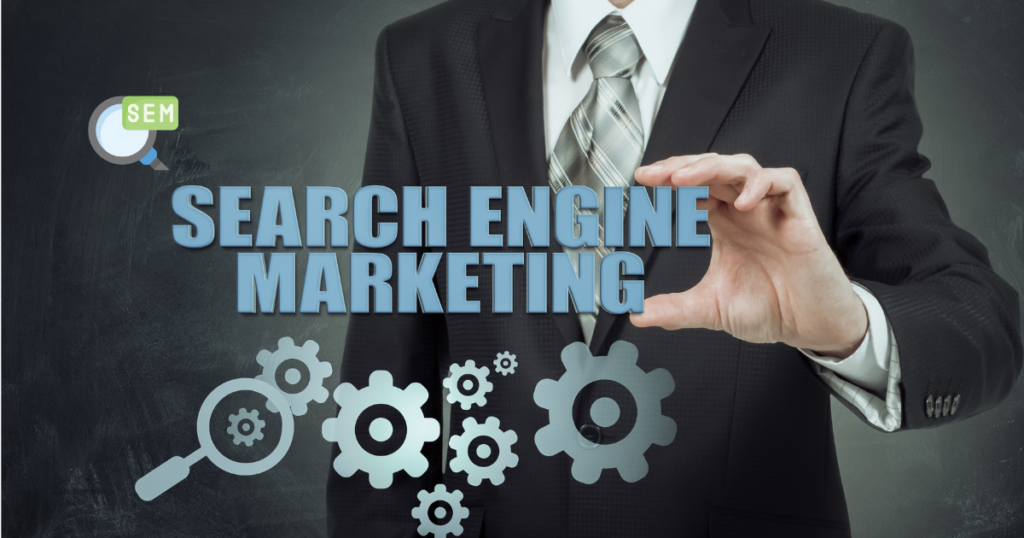
In the digital marketing landscape, search engine marketers play a vital role in helping businesses boost their online presence and connect with their target audience. As we enter 2026, the field of search engine marketing (SEM) is undergoing significant transformations driven by technological advancements, changing user behaviour, and market trends.
Key Trends in Search Engine Marketing
The key trends shaping search engine marketing include the dominance of AI-powered tools, which enable businesses to automate and optimize their campaigns for greater efficiency. AI-driven algorithms can analyze vast amounts of data to predict user behaviour, optimize bidding strategies, and create personalized ads. Voice search optimization is also crucial, as 20% of mobile queries are now voice-based. Additionally, visual and video search are becoming increasingly important, with search engines prioritizing video content in search results.
To succeed in SEM, businesses should invest in AI-powered platforms that provide advanced analytics and automation. These tools can help marketers reduce manual workload, optimize ad targeting, and increase return on investment (ROI). Optimizing content for voice search using natural language and long-tail keywords is also essential. Incorporating video content into SEM efforts, using platforms like YouTube and Google’s video Ad network, can also drive engagement and conversions.
Personalization is becoming more refined, with businesses having access to more data about their audience. Marketers will focus on delivering highly personalized ad experiences to users based on their search history, preferences, and behaviour patterns. Search everywhere optimization is also crucial, with businesses needing to optimize their content for search everywhere, including voice search, image search, and conversational search.
The future of search engine marketers is exciting and rapidly evolving. As AI technology continues to advance, we can expect to see even more sophisticated and personalized advertising experiences. Businesses that stay ahead of the curve and adopt proven strategies will gain a competitive edge in the digital marketplace.
To stay ahead, businesses should focus on delivering highly personalized ad experiences, leveraging video content, and optimizing for voice search. Staying informed about emerging trends and adopting proven strategies will also help maximize marketing efforts. By embracing these changes, businesses can unlock the full potential of search engine marketers and drive growth in the digital age.
Strategies for Success in Search Engine Marketing
Some key strategies for success in SEM include investing in AI-powered platforms, optimizing for voice search, using video content, focusing on personalization, and staying up-to-date with emerging trends. By following these strategies, businesses can stay ahead of the competition and achieve their marketing goals.
The future of search engine marketing holds much promise, with AI-driven advancements leading to more sophisticated and personalized advertising experiences. Businesses that adapt to these changes will be well-positioned to succeed in the digital marketplace.
It is not just the keywords which are associated with the search volume that you should consider. Do a mapping of the keywords to the stages of the user journey which are the awareness, consideration, and decision. The copy of your ads as well as the landing page should meet the real inquiry that is hidden behind the search. Separate campaigns for the objectives of top- middle- and bottom-funnel will not only give you clearer insights but also allow you to have better control over the budget and communication that really resonates at every stage. What matters is the relevance and not the aggressive bidding. The proper alignment of the ads to keywords, the loading pages with a very fast speed, and the availability of clear CTAs all contribute to the strengthening of the Quality Score, hence the cost is reduced and the ad rank is elevated naturally.
The Future of Search Engine Marketing
The future of search engine marketing (SEM) is exciting and rapidly evolving, with several key developments on the horizon. Artificial intelligence (AI) and machine learning (ML) will continue to play a larger role in SEM, enabling businesses to automate and optimize their campaigns more effectively. Voice search will also grow in importance, with businesses needing to optimize their content for natural language queries to stay competitive.
Visual and video search will become increasingly important, with businesses needing to incorporate video content into their search engine marketers efforts to stay ahead. Personalization will also become even more critical, with businesses needing to deliver highly personalized ad experiences to users based on their search history, preferences, and behaviour patterns.

AI and ML are transforming search engine marketing in several key ways. Predictive analytics can analyze vast amounts of data to predict user behaviour, optimize bidding strategies, and create personalized ads. Marketing mix modelling will help businesses measure the effectiveness of different marketing channels, ensuring a data-driven approach to budget allocation and campaign performance. AI-powered SEM platforms provide advanced analytics and automation, allowing marketers to reduce manual workload, optimize ad targeting, and increase return on investment (ROI).
To leverage AI in SEM, businesses should invest in AI-powered platforms, use data-driven insights to inform their strategies, and stay up-to-date with the latest trends. By doing so, they can optimize their campaigns for maximum ROI and stay competitive in the digital marketplace.
Some Best practices for leveraging AI in SEM include
- Invest in AI-powered SEM platforms that provide advanced analytics and automation
- Use data-driven insights to inform SEM strategies and optimize campaigns for maximum ROI
- Stay informed about the latest developments in AI and ML to ensure SEM strategies remain competitive and effective
- Cross-Channel Optimization it Integrate SEM data with other channels (e.g., email, social) for unified, AI-driven attribution and budgeting.
- In Predictive Analytics Forecast campaign performance and budget allocation using historical and real-time data.
- In Competitor Gap Analysis Automation Apply AI tools to continuously scan competitor ad copy, landing pages, and keyword gaps surfacing actionable opportunities before manual audits can.
Final Words
By actively staying informed about the latest trends, algorithm updates, and emerging technologies in Search Engine Marketing (SEM) such as AI-driven bidding, automation, and evolving ad formats—businesses can adapt their strategies in real time, maximize ROI, and maintain a competitive advantage. This proactive approach ensures more precise audience targeting, improved ad relevance, higher conversion rates, and stronger brand visibility all critical for achieving short- and long-term marketing goals in an increasingly dynamic digital landscape.