
Table of Contents
Mobile banking has revolutionized the way individuals interact with financial services. With the rapid advancement of smartphones and internet connectivity, banking is no longer confined to traditional brick-and-mortar institutions. Today, millions of users across the globe manage their finances anytime, anywhere right from their mobile devices.
This article explores what mobile banking is, how it works, its features, benefits, challenges, and the future of this rapidly growing digital finance platform.
What is Mobile Banking?
Mobile banking refers to the use of mobile devices primarily smartphones and tablets to conduct banking transactions and access financial services. It allows users to manage their bank accounts, transfer funds, pay bills, deposit checks, apply for loans, and more via a dedicated banking app or mobile browser.
Mobile banking is offered by traditional banks, digital-only banks (neobanks), and fintech platforms. It combines convenience, speed, and security to deliver a seamless banking experience.
Key Features of Mobile Banking
1. Account Management
- View account balances and transaction history
- Access your bank account anytime, anywhere whether you’re at home, travelling, or working.
2. Time-Saving
- No need to wait in long queues at the bank. Most transactions can be completed in seconds.
3. Real-Time Updates
- Get instant notifications for account activity, helping you monitor spending and avoid fraud.
4. Cost-Effective
- Reduces the need for physical infrastructure and paper-based processes, saving both banks and customers money.
5. Financial Inclusion
- Mobile banking reaches underserved or rural populations, especially where bank branches are scarce.
6. 24/7 Access
- Perform transactions outside of banking hours without limitations.
Popular Mobile Banking Apps
1. Chase Mobile (USA)
- Full-featured app offering Zelle integration, budgeting tools, and credit management.
2. Bank of America Mobile Banking
- Includes Erica AI assistant, budgeting insights, and account monitoring.
3. Revolut (UK/EU)
- Digital bank offering currency exchange, crypto trading, and global spending features.
4. Paytm Payments Bank (India)
- Offers UPI, bill payments, digital wallet, and savings account services.
5. N26 (Germany/EU)
- App-based banking with no hidden fees, real-time transaction tracking, and instant notifications.
6. Google Pay / Apple Pay
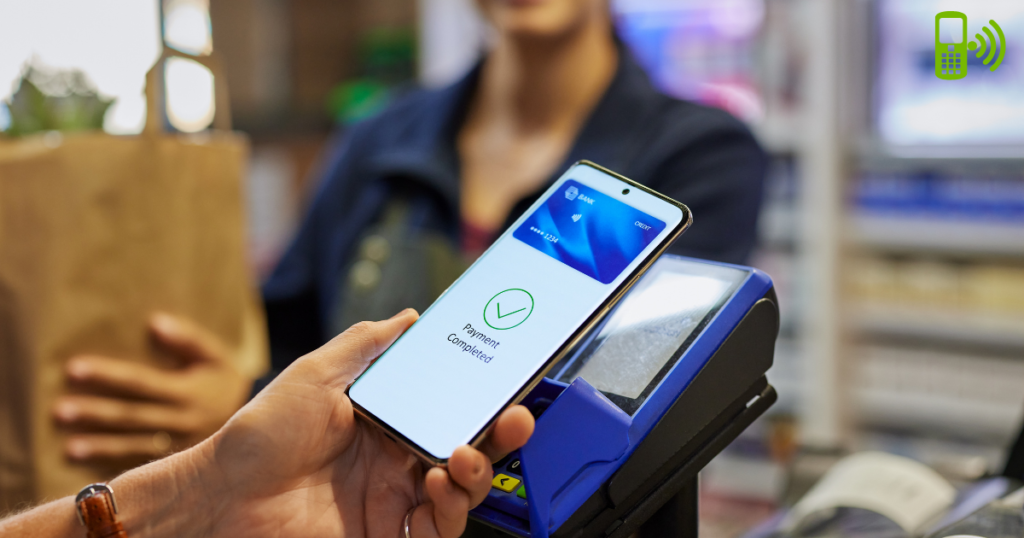
- While not full banks, they offer mobile payments and link with bank accounts for transfers.
Security Measures in Mobile Banking
Security is a major focus for mobile banking providers, who employ several safeguards:
- Biometric Authentication: Prevents unauthorized access using fingerprint or face recognition.
- Encryption: All data is encrypted during transmission and storage.
- 2FA (Two-Factor Authentication): Adds an extra layer of login verification via OTP or app-generated codes.
- App Timeouts: Auto logouts after inactivity to reduce unauthorized use.
- Fraud Detection Systems: Monitor transactions for suspicious activity and alert users instantly.
Users are also encouraged to avoid using public Wi-Fi, update apps regularly, and avoid sharing sensitive login information.
Challenges of Mobile Banking
Despite its many benefits, mobile banking is not without challenges:
1. Cybersecurity Threats
- Mobile apps are targets for phishing, malware, and fraud. Ensuring user and app security is ongoing.
2. Digital Literacy
- Not all users are comfortable with mobile interfaces or financial jargon, especially older adults.
3. Connectivity Issues
- Mobile banking depends on stable internet access, which can be a hurdle in remote or underdeveloped regions.
4. Compatibility & Device Limitations
- Some users may have outdated phones that don’t support newer banking apps.
5. Customer Trust
- Trust in digital transactions is still a concern, particularly in emerging markets.
Mobile Banking vs. Internet Banking
While both offer digital banking, mobile banking is tailored for smartphones and typically includes:
- Faster navigation and simplified interfaces
- Push notifications for real-time updates
- Mobile-specific features like location-based ATM finders and QR payments
Internet banking, on the other hand, is usually accessed via desktops or laptops and may offer more advanced features for complex financial needs.
Impact of Mobile Banking on Financial Ecosystem
Mobile banking has had a profound effect on personal finance and global economics:
- Banks are becoming digital-first, closing physical branches and investing more in app development.
- Fintech startups are disrupting traditional banking with innovative app-based models.
- Digital transactions are booming, reducing reliance on cash.
- AI & Analytics are being integrated into mobile banking to provide personalized financial insights.
Governments and central banks are also promoting digital banking as part of broader financial inclusion and digital economy initiatives.
The Future of Mobile Banking
The future of mobile banking is dynamic and driven by technology:
1. AI-Powered Financial Assistants
- Predictive analytics, personalized advice, and smart budgeting tools.
2. Voice-Enabled Banking
- Use of voice commands to conduct transactions or inquire balances.
3. Blockchain & Digital Currencies
- Secure, transparent, and fast transaction processing.
4. Open Banking APIs
- Seamless integration with third-party apps for enhanced services.
5. Augmented Reality (AR)
- Could be used to visualize spending habits, locate nearby services, or interact with financial data.
6. Biometric-Only Login
- Eliminating passwords for greater security and ease of access.
Benefits of Mobile Banking
1. Convenience
- Manage savings, checking, and credit card accounts
- Set up alerts for deposits, withdrawals, and due dates
2. Funds Transfer
- Transfer money between accounts
- Send funds to other banks via NEFT, RTGS, UPI, or SWIFT
- Peer-to-peer (P2P) payments through mobile wallets
3. Bill Payments
- Pay utility bills, insurance premiums, credit card dues
- Schedule recurring payments
- Manage payment history
4. Mobile Check Deposit
- Take a photo of checks to deposit remotely
- Reduces need to visit a bank branch
5. Loan and Credit Services
- Apply for personal or business loans
- Check eligibility and repayment schedules
- Manage EMIs and credit limits
6. Customer Support
- In-app chat or call support
- AI chatbots for 24/7 assistance
7. Investment and Wealth Management
- Invest in mutual funds, stocks, or fixed deposits
- Access financial advisory tools
- Track portfolio performance
8. Security Features
- Biometric authentication (fingerprint, facial recognition)
- Two-factor authentication (2FA)
- End-to-end encryption
Conclusion
Mobile banking has transformed the way people manage their money. Offering unparalleled convenience, instant access, and robust features, it empowers individuals and businesses to handle finances with ease. As technology advances, mobile banking will continue to evolve bringing smarter, safer, and more personalized financial solutions to users around the world.
Whether you’re checking your balance before a purchase or applying for a loan on the go, mobile banking is truly the future of finance right in your pocket.