

Table of Contents
In today’s digital-first economy, security and convenience in financial transactions are more critical than ever. In case whether for online shopping, business subscriptions, or managing team expenses, virtual cards offer a modern solution to traditional payment methods. These digital cards help reduce fraud, improve control, and streamline payments both for individuals and businesses.
In this article, we’ll explore what virtual cards are, how they work, their benefits, top providers, and key considerations when using them.
What is a Virtual Card?
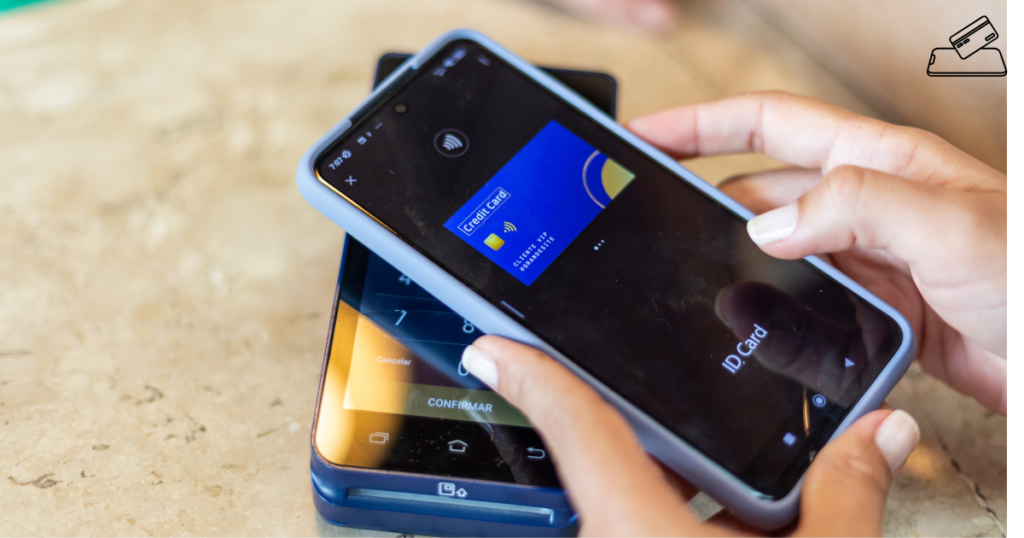
A virtual card is a digitally generated payment card that functions like a regular debit or credit card but exists only in electronic form. It includes:
- A 16-digit card number
- CVV (Card Verification Value)
- Expiry date
Unlike physical cards, these cards are designed primarily for online transactions and often offer temporary or single-use functionality for added security.

Types of Virtual Cards
1. Single-Use Virtual Cards
- These are valid for only one transaction. They expire immediately after use, preventing future unauthorised charges.
2. Multi-Use Virtual Cards
- These can be used repeatedly, such as for recurring payments or subscriptions. You can set spending limits, expiry dates, and merchant restrictions.
3. Business Virtual Cards
- Used by companies to manage employee spending, supplier payments, or online advertising budgets with better control and tracking.
4. Prepaid Virtual Cards
- Loaded with a fixed amount and often used for gift cards, incentives, or budgeted personal spending.
How Do Virtual Cards Work?
1. Generation
- Virtual cards are issued by banks, fintech apps, or payment platforms. Users can instantly generate a new card via a mobile app or web portal.
2. Customisation
- You can assign spending limits, merchant categories, expiry dates, and more. Some cards allow tagging for easier expense tracking.
3. Usage
- Enter the virtual card number and details during online checkout just like a normal credit/debit card.
4. Authorisation & Tracking
- The transaction is processed through the issuing provider. Users receive real-time alerts and transaction logs.
Benefits of Virtual Cards
1. Enhanced Security
- Virtual cards protect your primary account by masking your real card details.
- Single-use cards prevent fraud even if data is leaked.
- You can freeze or delete a card instantly if suspicious activity occurs.
2. Better Expense Control
- Set spending limits, usage durations, or specific merchants.
- Perfect for subscriptions, online ads, or team budgets.
3. Simplified Business Payments
- Create unique cards for each employee or vendor.
- Automate reconciliation with accounting systems.
4. Instant Issuance
- No need to wait for a physical card to arrive.
- Cards can be issued within seconds, 24/7.
5. Global Accessibility
- Use virtual cards for international payments in supported currencies.
- Avoid carrying physical cards while travelling.
6. Eco-Friendly
- Eliminates the need for plastic cards, reducing environmental impact.
Use Cases for Virtual Cards
Individuals
- Secure online shopping
- Managing subscription services (Netflix, Spotify, etc.)
- Protecting against online fraud
- Temporary use on unfamiliar websites
Businesses
- Marketing and ad spend tracking (Google Ads, Facebook)
- Team and employee expense management
- Vendor payments and procurement
- SaaS subscriptions and recurring billing
Freelancers & Remote Teams
- Allocate budgets to freelancers without exposing main accounts
- Reimbursements with pre-set spending limits
Top Virtual Card Providers (2025)
1. Revolut
- Offers single-use and recurring virtual cards
- Built-in analytics and real-time spending insights
2. Brex (for Businesses)
- Custom virtual cards for team members
- Integrated with accounting software
- High spending limits and cashback
3. Wise (formerly TransferWise)
- Virtual cards in multiple currencies
- Great for international freelancers and digital nomads
4. Privacy.com
- Popular for creating single-use cards
- Ideal for managing subscriptions and online shopping
5. Payoneer
- Offers virtual cards tied to a Payoneer balance
- Great for global freelancers and businesses
6. American Express & Capital One
- Some major banks now offer virtual versions of credit cards via mobile apps
7. Zolve (India/US)
- Virtual card support for international students and travellers
Things to Consider
1. Merchant Acceptance
- While most websites accept virtual cards, some physical POS terminals and in-person services may not.
2. Subscription Management
- If a merchant changes billing details, your card may decline if it’s single-use or expired.
3. Refund Policies
- Ensure the card used for the purchase remains active if expecting refunds.
4. Integration Needs
- For businesses, ensure the provider integrates with your accounting or ERP system.
5. Currency and Conversion Fees
- Check if the provider charges extra for international or cross-currency payments.
Security Features of Virtual Cards
- Tokenisation (secure digital data)
- Spend and merchant restrictions
- Real-time notifications and approvals
- Card pausing and deletion
- Two-factor authentication (2FA)
- End-to-end encryption
Virtual Cards in the Future
With the rise of AI-driven finance, embedded payments, and contactless experiences, virtual cards are expected to become the norm, especially in sectors like e-commerce, fintech, SaaS, and gig economy platforms. Innovations in biometric authentication, crypto payments, and blockchain-based virtual cards are also on the horizon.
As of late 2025, virtual cards continue to gain popularity across both consumer and business sectors due to growing concerns over online payment security and subscription management. With advancements in fintech, virtual cards now offer enhanced features such as real-time spend control, integration with accounting tools, and AI-based fraud detection.
Major Banks and digital platforms like Revolut, Brex, and Privacy.com have expanded their offerings, allowing users to generate single-use or recurring cards instantly. Businesses are increasingly using virtual cards for managing employee expenses and SaaS payments, helping reduce fraud and streamline reconciliation. In emerging markets, virtual cards are also being adopted for secure e-commerce transactions among unbanked users.
The rise in digital nomads and remote teams has further driven global demand. With improved interoperability and growing acceptance by merchants worldwide, virtual cards are poised to become a standard in digital payments and expense management.
Conclusion
Virtual cards are revolutionising the way we manage and secure payments. Whether you’re an individual protecting your financial data or a business streamlining expense control, virtual cards offer flexibility, security, and transparency unmatched by traditional payment methods.
As financial ecosystems become increasingly digital, virtual cards are not just a convenience; they’re a necessity. Embracing this technology can lead to smarter, safer and more efficient financial operations in the modern world.