Table of Contents
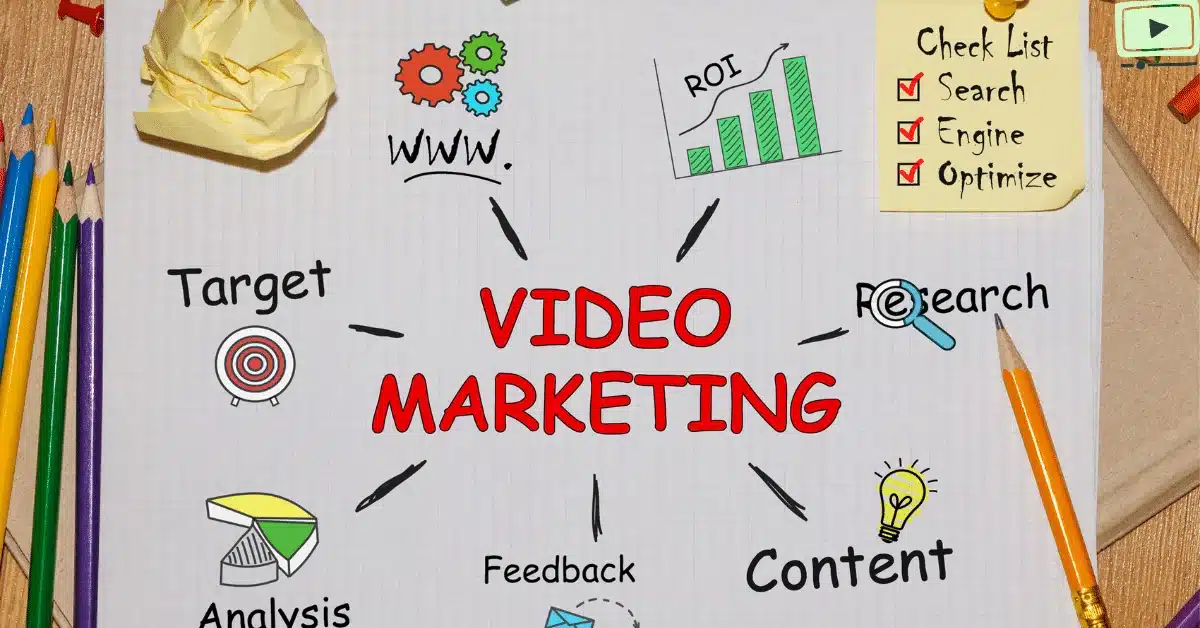
In digital-first world, video marketing has become a vital tool for small businesses looking to grow, connect with audiences, and stand out in a competitive market. With the rise of platforms like YouTube, Instagram, TikTok, and Facebook, video content is no longer a luxury it’s a necessity. Whether it’s a product demo, customer testimonial, or behind the scenes look, video brings your brand to life. This guide of video marketing for small business covers the benefits, strategies, tools, types of video, platforms to use, and tips for creating high-impact video marketing campaigns tailored for small businesses.
What Is Video Marketing?
Video marketing is the use of video content to promote or market a product, service, or brand. For small businesses, it’s an affordable and powerful way to increase engagement, educate customers, and drive sales.
Video can be used in:
- Social media marketing
- Website landing pages
- Email campaigns
- Online advertising
- YouTube channels
- Product pages

Why Video Marketing Matters for Small Businesses
1. Increases Engagement
- Videos capture attention better than text or images. They are more likely to be watched, shared, and commented on.
2. Boosts Conversions
- Adding a product video to your landing page can increase conversions by up to 80%.
3. Improves SEO
- Google favours pages with rich media. Including video can improve your site’s visibility and time-on-page metrics.
4. Builds Trust
- Videos help humanize your brand. Customers feel more connected when they see real people behind the business.
5. Cost-Effective
- Thanks to smartphones, free editing tools, and platforms like YouTube and TikTok, you don’t need a massive budget to make impactful videos.
Types of Video Content for Small Businesses
1. Explainer Videos
- Teach your audience how your product or service works.
2. Product Demos
- Showcase key features and benefits.
3. Customer Testimonials
- Share authentic reviews and experiences from real customers.
4. Behind-the-Scenes
- Let viewers see your workspace, team, or process.
5. How-To and Tutorials
- Offer valuable tips related to your niche.
6. Live Videos
- Engage your audience in real-time on platforms like Facebook or Instagram Live.
7. Event Videos
- Cover local events, webinars, or business milestones.
8. Brand Story Videos
- Share your mission, vision, and the story behind your business.
Best Platforms for Video Marketing
YouTube
- Ideal for hosting longer, searchable videos. Great for evergreen content.
- Good for live streams and community engagement.
Instagram & Reels
- Great for short, creative videos and brand storytelling.
TikTok
- Perfect for reaching a younger audience with short-form content.
- Ideal for B2B businesses to share educational or professional videos.
Website & Blog
- Embedding videos on your site improves SEO and user engagement.
Email Campaigns
- Videos in emails can increase click-through rates dramatically.

Steps to Create an Effective Video Marketing Strategy
1. Define Your Goals
- Do you want to increase awareness, drive traffic, boost sales, or educate customers?
2. Know Your Audience
- Understand what your target customers care about and where they spend time online.
3. Plan Your Content
- Decide on the type of videos you’ll create and how often.
4. Create a Budget
- You can start with low-cost tools and scale up. Budget for equipment, editing, and possibly promotion.
5. Write a Script
- Even short videos benefit from planning. Outline key messages and calls to action.
6. Shoot and Edit
- Use a smartphone or camera, good lighting, and simple editing tools like CapCut, Canva, or iMovie.
7. Optimize for Each Platform
- Use appropriate video dimensions, captions, and hashtags for the platform you’re posting on.
8. Promote Your Videos
- Share across social media, email lists, and your website. Consider paid ads to boost reach.
9. Measure Results
- Track views, watch time, click-through, and conversions. Use this data to refine your strategy.
Challenges and How to Overcome Them
Limited Budget:
- Use free tools and smartphone cameras.
- Focus on quality content over high production.
Time Constraints:
- Batch-create content ahead of time.
- Start small one video a week can be enough.
Lack of Experience:
- Watch tutorials or consider hiring a freelancer for basic editing.
- Practice and improve over time.
Camera Shyness:
- Start with voiceovers or screen recordings.
- Build confidence by scripting and rehearsing.
Tips for Small Business Video Marketing Success
1. Keep It Short
- Attention spans are short. Aim for less than 2 minutes unless it’s a tutorial or demo.
2. Start Strong
- Hook your audience in the first 5 seconds.
3. Include Captions
- Many people watch videos without sound, especially on mobile.
4. Show Your Personality
- Don’t be afraid to be authentic. People buy from people.
5. Use Calls-to-Action
- Tell viewers what to do next: visit your site, subscribe, or call you.
6. Repurpose Content
- Turn one video into multiple clips for different platforms.
7. Post Consistently
- Build an audience by publishing regularly.
Affordable Tools for Small Business Video Marketing
Video Creation
- Canva, InVideo, Animoto, Adobe Express
Editing
- iMovie (Apple), CapCut, DaVinci Resolve, Shotcut
Screen Recording
- Loom, OBS Studio, Camtasia
Stock Video and Music
- Pexels, Pixabay, Storyblocks, Artlist
Scheduling & Analytics
- Buffer, Hootsuite, TubeBuddy, VidIQ
Case Studies: Video Marketing for Small Business Success
- A Local Bakery used Instagram Reels to showcase fresh products daily and saw a 40% increase in foot traffic within 2 months.
- A Home Cleaning Service used explainer videos and customer testimonials on Facebook, doubling leads through targeted ads.
- A Freelance Coach hosted weekly YouTube videos, growing an audience that led to course sales and client bookings.
How Small Businesses Can Start Video Marketing With a Smartphone
This article points out that some great advantages of video marketing nowadays include that small businesses will not have to invest a lot in the expensive videocameras or professional filming studio facilities. Even you use the mobile telephone to make your video, if have good lightning, good quality of your voice and smart arrangement, it would still a really great material to deliver your brand.
What’s more, before you making the video:
1. Remember to wipe up your mobile camera.
2. Pick a spot that with enough sunlight or good lightings, Do not place too bright background, it will make person that stand on the stage become too dark!
You could also try your best place your main lightource right in front of the person, rather than behind?
3. Good sound quality matters the most, people would endure poor visualquality rather than bad audioquality! Place to the very quiet room and an cheap external voice recorder could be a excellent addition .
For beginners,small businesses may canstartwith the demonstrations, FAQvideos , tutorials, or any little tips of your brand or short clip show what happens in your behind of scenes. As you get more experienced, you might choose more complicate form or styles to your video content, as we always try it again and again.
Creating a Video Content Calendar
It’s a lot easier to keep things consistent when you have a video content calendar. Save time spent wondering what to post. Many businesses schedule their content days and even weeks ahead.
A simple content calendar should include educational videos, promotional videos, customer testimonials, company news, answers to common questions, and, some fun content too. This helps avoid your feed seeming like nothing but a sale.
A local gym for example, could post a fitness tip Monday, a nutrition tip Wednesday, a customer testimonial Friday, and a short behind the scenes clip over the weekend.
The content calendar doesn’t need to be complex; the small team could potentially benefit from a spreadsheet that includes video topic, platform, recording date, posting date, caption, and call to action.
This planning also makes batching much easier. You can film many short videos in one session for the rest of week.
Short-Form Video Marketing Strategy
Now, Short-form videos have an enormous place for your social media advertising efforts. For platforms like Instagram Reels, TikTok, YouTube Shorts, or Facebook, you’ll find you could shortly convey a concept using a short clip.
Short-form movies are great for small companies to reply the customer questions, showcase a product, introduce an employee, provide quick ideas, create a transition video, or promote merchandise.
To successfully do this, you’ll wish to determine something hook a viewer instantly.
The primary 5 seconds will be crucial – alternatively of a prolonged intro. Use a problem, an inquiry, an end result, or eye-catching footage instead. In other words, don’t get started with an introduction in the way that an organization such as this one can be. No.
“Hey everyone, today we are going to present you with a particular kind of latest product.”
Use something more directly. “Here is why shoppers are deciding on this type of product.” This isn’t all about how it can be delivered within the context of a few seconds, however its useful value.
Long-Form Video Marketing Strategy
The longform might be struggling against the omnipresent short form, but that does not mean it’s not powerful. A more comprehensive type of content for in-depth story telling that addresses the complex issues your clients may need you to cover for your product or service. Examples of content small businesses might produce include tutorials, product comparisons, interviews, webinars, case studies, educational content or in-depth demonstrations.
Also, longer forms of content can serve as high-quality evergreen content, where well-made, in-depth tutorials answering a frequently asked question might gain audience members much longer than a clip of one minute or less.
Short form clips for other platforms can be made from long-form videos. For instance, with the production of a 15-minute informational video, you will probably generate more marketing content with short clips, quotes, social content and material for your emails as well. Using long form for marketing createsmore content in muchless time.
Video Marketing for Local Businesses
Since you’re providing a local service, there are many unique ways local companies can use video marketing. Local customers often want to see who, what, and where the business is all about.
Think about restaurants featuring the food in preparation, hair salons modeling some of their latest styles, repair businesses highlighting a before and after project, businesses displaying their latest products, or businesses offering professional services to answer frequently asked questions from customers.
Local-oriented video is also able to assist a business in creating a deeper connection with the local population. Companies can showcase local community events, feature employees, promote any local partnerships you have developed, or how customers can find your services.
For local oriented content, the video doesn’t need to be a big television-style ad. Often, more informal and authentic videos can be more beneficial in building local customer relations.
Video Marketing for B2B Small Businesses
Video marketing isn’t solely for B2C firms though, Business-to-Business companies can still gain much from video. Because B2B purchasers typically do a degree of research before contacting your business, videos offer themselves nicely to be a source of information and an educational tool.
It’s possible for a B2B company to make videos on how to address problems in its industry, explain its software, and answer technical questions as well as to do interviews with people of expertise, show and introduce team members, or explain the procedure for its service.
LinkedIn and YouTube are two potential sites for professional videos, where the video can even be embedded into your company website or the contents of an e-mail promotion.
Overall, attention to detail should ideally be placed on how to educate the client about the problem and the solution rather than each video being directly dedicated to a sales pitch.
Conclusion
Video marketing is no longer optional for small businesses it’s one of the most effective tools to engage your audience, build trust, and grow your brand. Whether you’re just starting or looking to enhance your digital presence, incorporating video into your marketing strategy can provide substantial returns.
With the right approach, even small businesses with tight budgets can create compelling video content that captures attention and drives results. Start small, stay consistent and let your brand’s story shine through video.